Thank you for visiting my teaching e-portfolio, a multimodal learning and organizational public-facing document composed as a dynamic teaching resource for me, my peers, my instructors, and others interested in teaching more, teaching better, learning more, and learning better. This portfolio is in large part designed in correlation to the first year writing program at Florida International University and in fulfillment of English 6937 course outcomes. As such, many of the resources and much of the content that you will find here are geared toward the instructors of ENC 1101 and ENC 1102 at F.I.U. (as well as my ENG 6937 instructor, Cynthia Chinelly). However, while taking as my starting point the course outcomes and curriculum requirements for these specific classes, I have enthusiastically expanded the scope of my portfolio to include several resources on sound pedagogical practices that are widely applicable across disciplines and institutions regardless of whether the classroom is situated at Florida International or elsewhere.
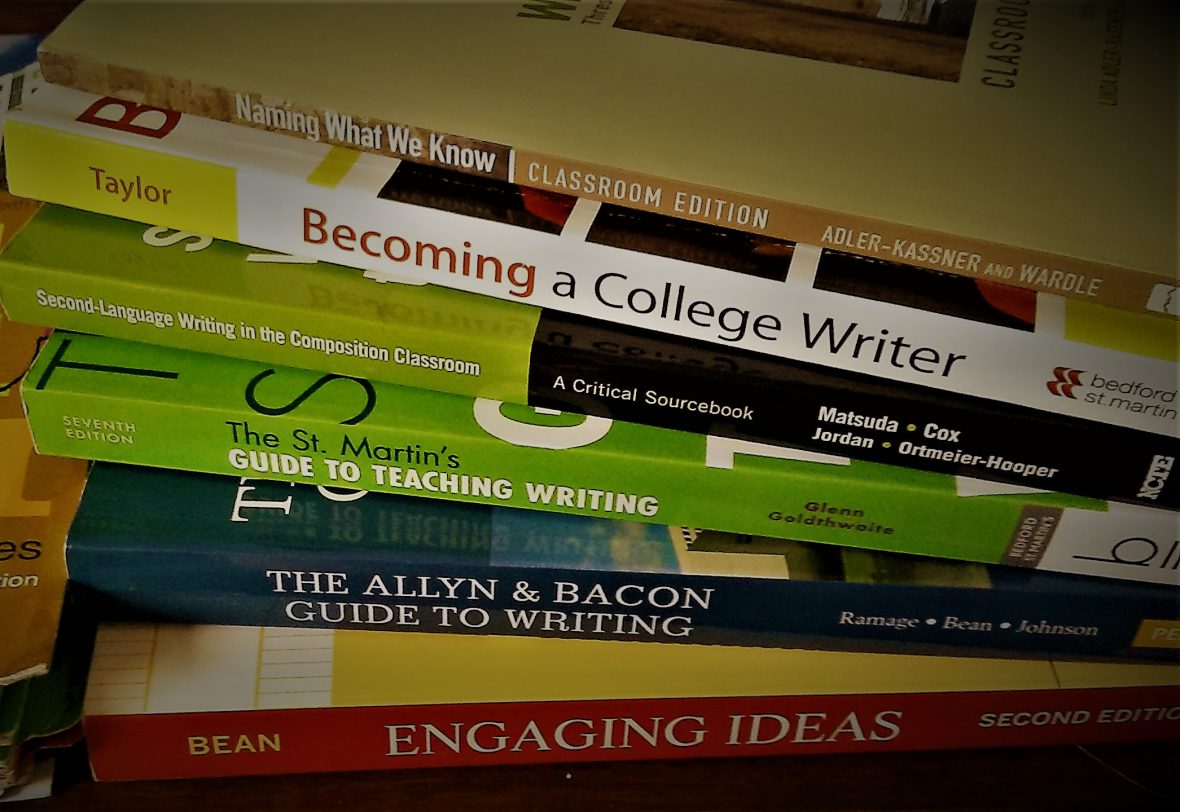
When you read my teaching philosophy, you will see that I summed up my one pedagogical imperative as empowerment. In keeping with this imperative, you will find that under Instructor Resources I offer tools that empower instructors with concrete methods to deliver writing and rhetoric content in the context of an active learning environment. We can all teach more and teach better. I encourage you to peruse Instructor Resources to find concrete advice and methods on conferences and workshops (including peer review concerns), teaching in a multilingual classroom, designing effective groups and group work, active learning, designing effective writing assignments, preparing for class discussions, and classroom management, to name a few. From information I gathered from Allyn & Bacon’s Guide to Writing, I developed two conference exercises: Outlining the Draft, and Articulating a Claim with Reasons, which you should feel free to borrow and adapt for your own first year writing classes.
Aside from instructional and classroom resources, one way for teachers to feel empowered is to know that they are not alone. All across the country and the world, from town to town and from city to city, teachers at all levels are engaged in purposeful striving and a meaningful discipline, the dedicated practice of which is crucial to maintaining and bettering the social fabric of which we are all a part. Intellectually, we know we are not the only one, that there are others out there facing similar challenges and circumstances, but knowing this and feeling it are two different things. Sometimes, as teachers, we feel alone. Community is important. To this end, I have included a nod to The National Council of Teachers of English, a major professional organization that offers opportunities for networking, professional growth, and teaching resources. Our position statements are wide-ranging and thoroughly researched and peer-reviewed and they have been included in my portfolio. Read what the NCTE has to say about current issues in teaching such as gender and language, best practices in fair use, and incorporating technology into the classroom, among others. We are not alone.
While I seek to empower myself and my peers as teachers, I also seek to empower my students and yours. Delve into my Student Resources section to find documents and pages that allow students to learn more and learn better. I offer content on plagiarism—what it is and how to avoid in through classroom design, a link to PurdueOwl for grammar and usage concerns, and links to F.I.U’s writing center and digital writing studio, all important resources that students can utilize in completing their coursework for ENC 1101 and ENC 1102.
In the spirit of empowerment, I have also included tools for collecting and communicating information. Peruse Research Tools to find PDFs for your students that explain how to a) evaluate sources rhetorically using the BEAM and CRAAP methods, b) conduct Boolean searches, and c) deploy double-entry research notes. I feel these skills will do much to empower students to access, retrieve, organize, and communicate information in an active manner rather than a passive one. As well, I believe that the ability to fully and effectively manage time is an ability that empowers students and teachers alike in and beyond the classroom. For this reason, I have included under student resources a PDF entitled Basic Time Management Tips for College Students.
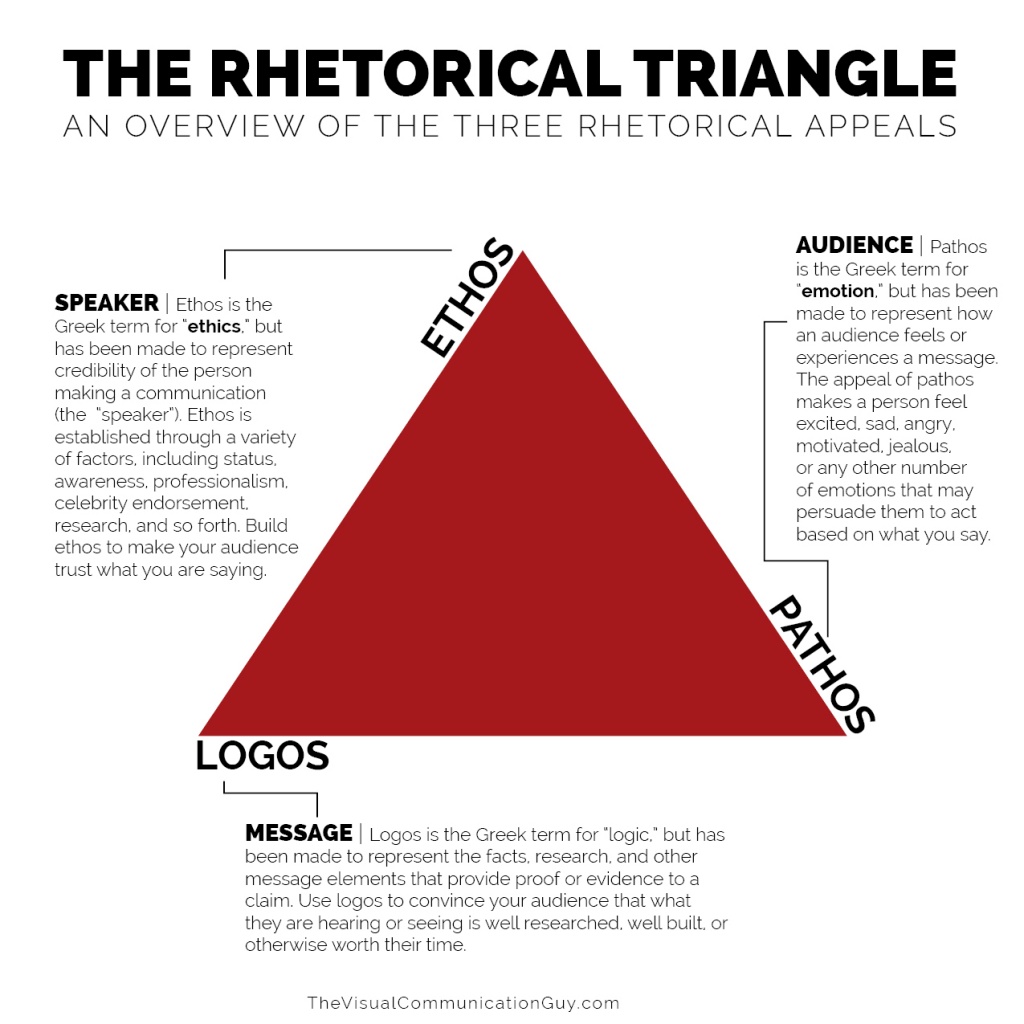
Finally, a major concept of active learning, and also one of the threshold concepts that we encountered in our Pedagogy class with Professor Cynthia Chinelly is the concept of collaboration. My experience as a first year graduate student and first year teaching assistant has proven the value of collaboration, not only in learning, but in teaching as well. The ENC 1101 and ENC 1102 syllabi, assignment sheets, and unit plans that you encounter in my portfolio are all products of vigorous and enthusiastic collaboration by Professor Chinelly’s fall 2018 ENG 6937 students. Hats off to them. As well, some of the resources I was able to locate and include were culled from or inspired by the portfolios of Freesia McKee and Sherri Ahern. Hats off to them too. Hats off also to Senior Instructor Jeffery Wehr, my mentor and guide in the ENC 1102 class in which I assisted. And finally, hats off to Professor Chinelly, whose authority, credibility, currency, angle of vision, and degree of advocacy were all on point for her intended audience.
Please: Teach more, teach better. Learn more, learn better.

 Robert's Teaching Portfolio